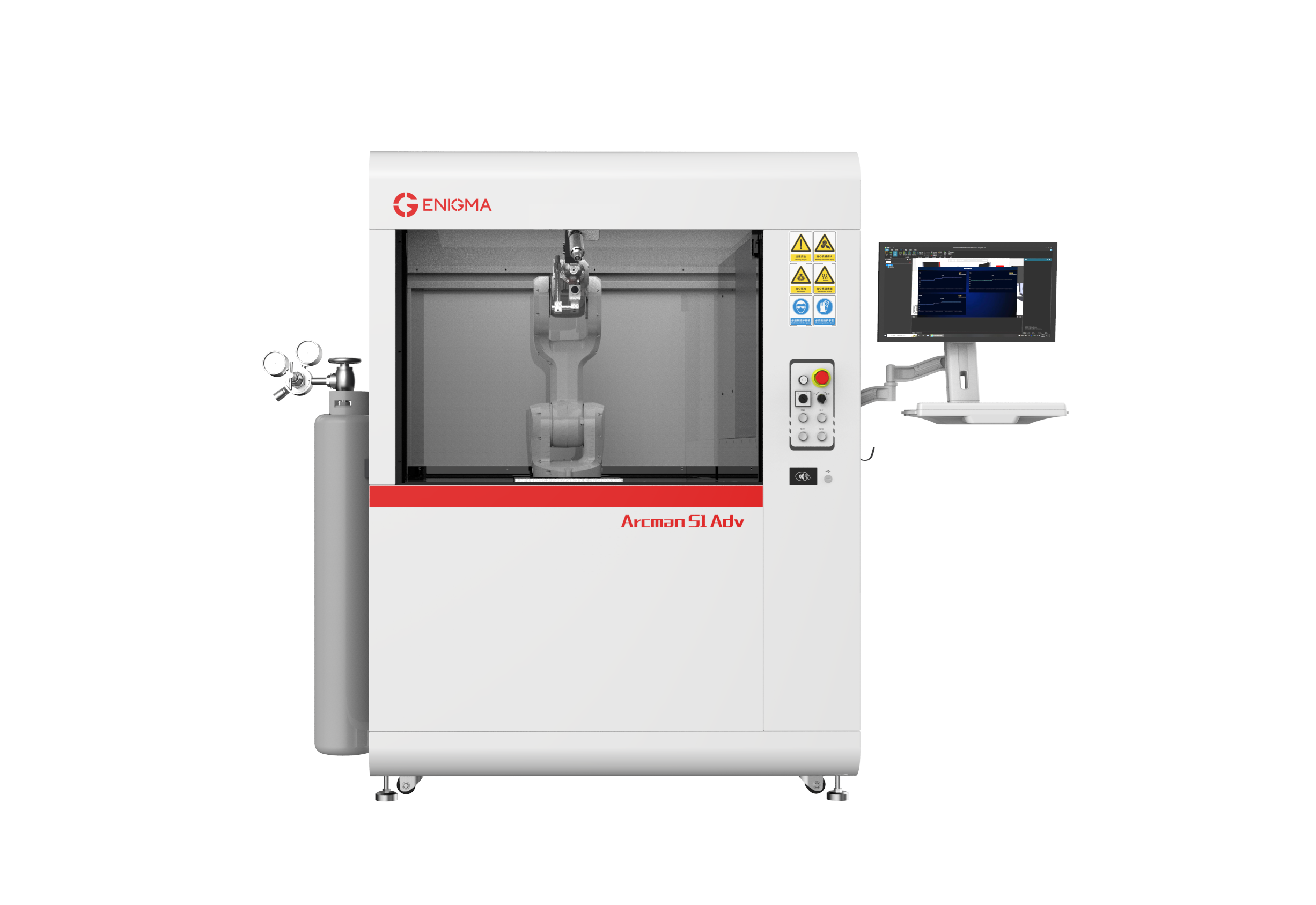
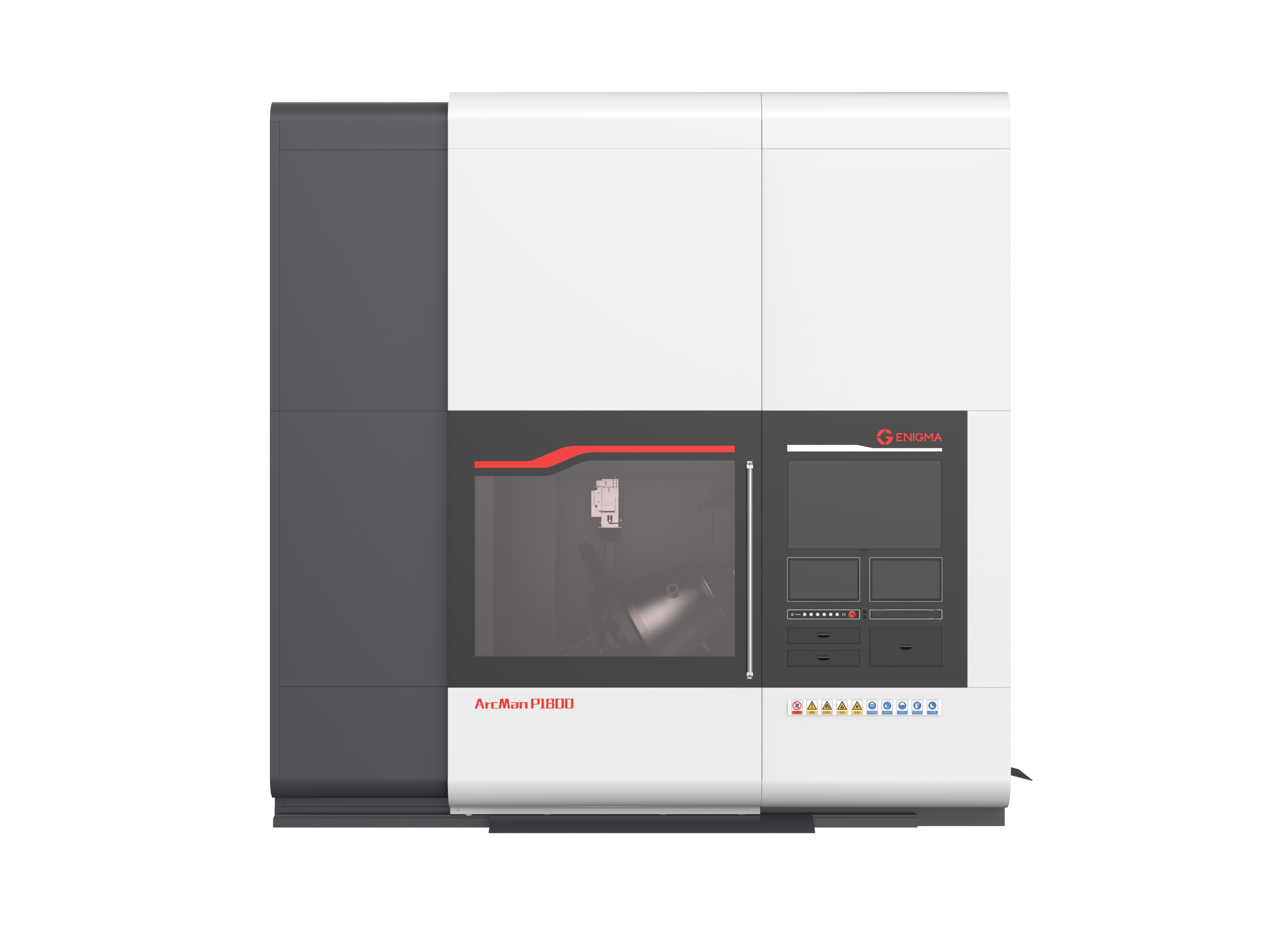
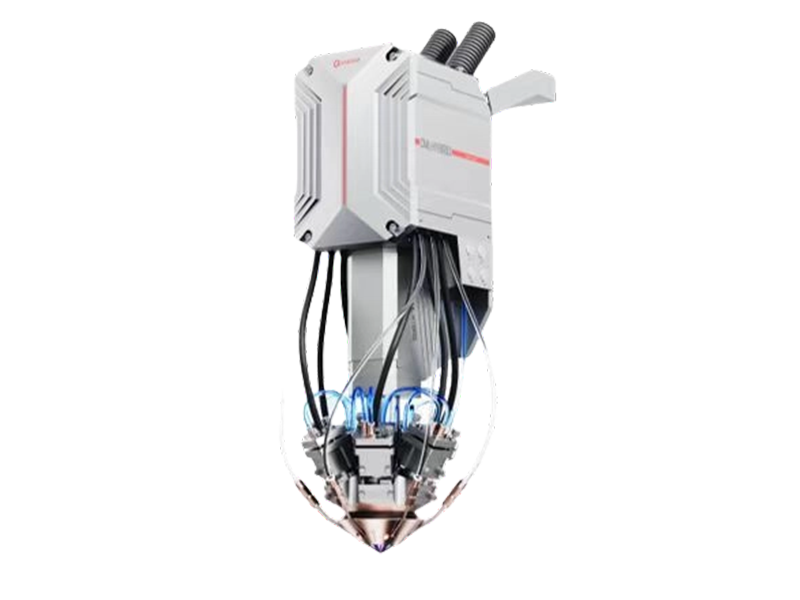
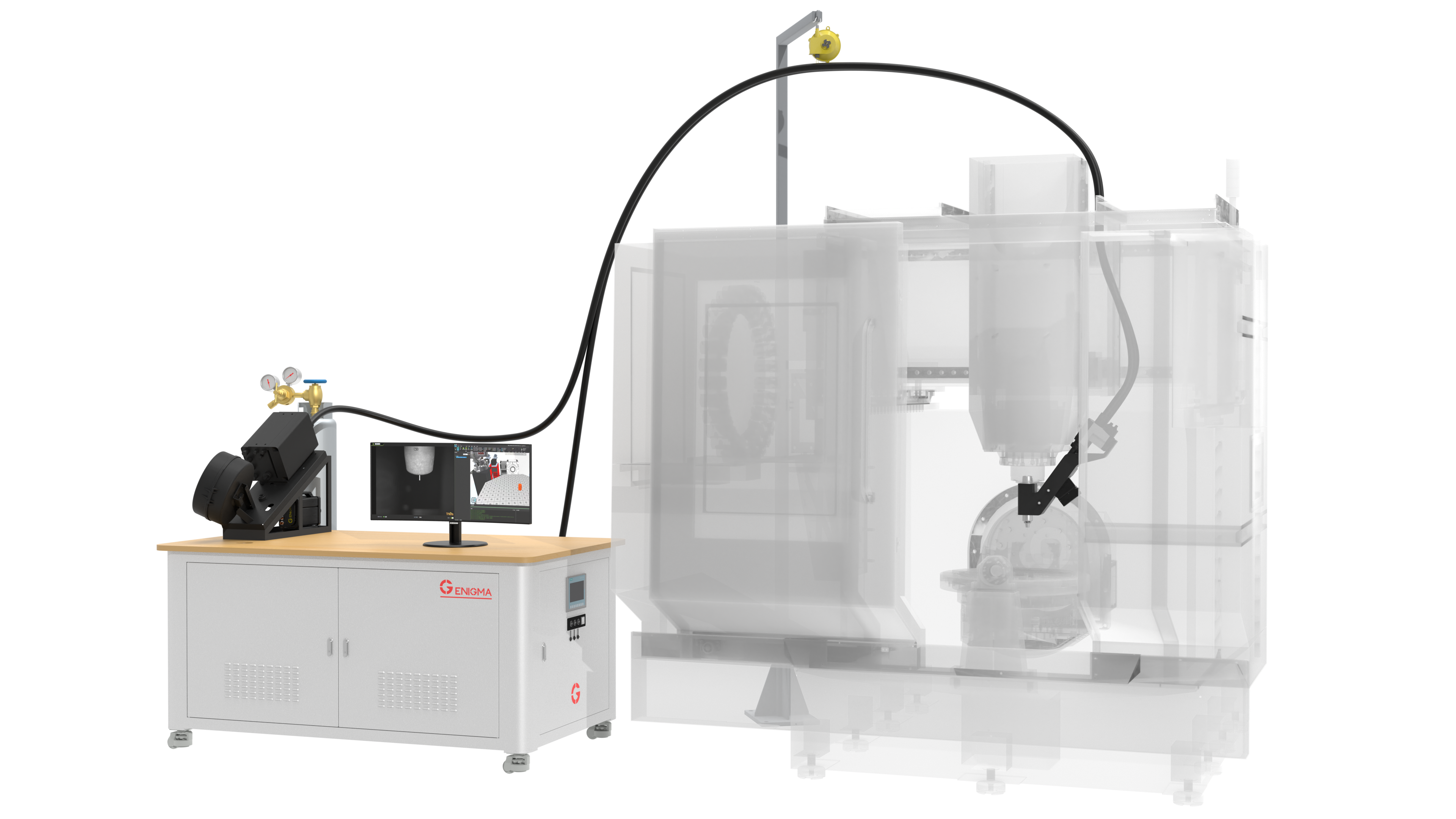
Oil and gas equipment is critical to the exploration, extraction, and transportation of oil and gas resources. Oil and gas equipment needs to function in demanding conditions which include underground wells with high pressure and offshore platforms with corrosion, thus requiring durability, precision, and versatility. Due to long complex production processes, extensive lead times, and challenges in making tailored parts, oil and gas equipment manufacturing faced numerous limitations. However, the use of 3D printing technology has started to revolutionize the oil and gas industry by overcoming these limitations. 3D printing is changing equipment design and manufacturing to focus on value, durability, and cost efficiency. It is necessary to study 3D printing innovations in oil and gas equipment to assess potential advancements in the oil and gas sector.
The inability to produce high-performance oil and gas equipment stems from various limitations within the conventional manufacturing industry.
When looking at components of oil and gas equipment like wellhead valves and pipeline connectors, traditional methods like machining and casting take a long time, even creating a brand new specialized tool for one piece of equipment. This increases costs, and more importantly, unsound equipment results from unreliable joints where components are brought together. Also, traditional manufacturing gear takes up to months to produce a custom tailored piece. For oil and gas equipment, like specialized sensor housings, custom equipment takes up to months to go from mold to multiple processing stages. This becomes a significant problem from the oil and gas equipment perspective, as downtime becomes a quantifiable loss. Lastly, traditional machining approaches are, for a better word, reckless. Costly materials, like stainless steel and titanium alloys, are surfed raw, and later rudely transformed into useless parts of oil and gas equipment. As it can be seen, without a doubt, the firing rate of traditional manufacturing remains below the bar. It is therefore hard to meet the expectations placed by the quality and efficient oil and gas equipment.
Equally, into oil and gas equipment, 3D printing technology brings unimaginary and radical design modifications and enhancements.
First, 3D printing leads to the development of complicated internal structures in components of oil and gas equipment. Take downhole tools for oil extraction, for instance. 3D printing can deliver tools with internal flow dynamic channels and varying levels of precision. These channels enhance the extraction of the oil and gas while also lightening the tools, making them simpler to handle and install in narrow wellbores. 3D printing makes it possible to consolidate more incorporated components for the oil and gas equipment. Rather than putting together several individual parts, 3D printing produces one streamlined piece, like a valve-filter combination. This streamlining helps to decrease the number of seals and fittings in oil and gas equipment, cutting down the chances of leaks, which are dangerous and costly. 3D printing also permits fast equipment design. The engineer alters the digital design of one piece, produces a quick prototype, and tests it, making it easier to perfect the equipment design to oil and gas and tailor it to operational needs.
Material Innovations in 3D Printed Oil and gas Equipment
One of the innovations in 3D printing is the use of strong metal alloys in making oil and gas equipment. 3D printing is also being used to craft complex components in nickel alloys and corrosion resistant stainless steels. These alloys resist high temperatures and corrosion and are particularly useful for equipment in offshore oil drilling platforms. These offshore oil drilling platforms are highly chemically harsh and also high pressure. 3D printing is also being used to fabricate oil and gas equipment using new composite materials. Pipeline supports and equipment housings can be 3D printed using strong polymers and carbon fibers that are light and strong. This composite technology makes the equipment easier to transport and install. Advanced 3D printing also permits the precise control of the material used to create a part, thereby printing gradient materials.
Combining all the positive features of different materials is possible for a wellhead component because of the high strength inner layer and a corrosion resistant outer layer which creates a well performing component.
3D printed oil and gas equipment has many practical applications within the industry. One of the most well known examples is 3D printed wellhead components. Oil and gas companies are currently utilizing 3D printed wellhead valves and chokes, which are crucial for the regulation of oil and gas flow from wells. Unlike the traditional methods for creating oil and gas equipment, 3D printing equipment takes mere hours and the printing components have intricate internal designs that enhance wellhead flow control. This has decreased equipment delivery times and allowed wellhead operations to begin or resume within 50% of the time originally required. Another example is 3D printed pipeline repair parts. 3D printed repair clamps and connectors are created for oil and gas fields that have remote pipelined and are under repair. This dramatically reduces the need to transport large replacement parts.
Not only is time and cost efficient for transportation, but minimizing pipeline operation downtime is crucial as well. The use of 3D printed sensor housings for oil and gas equipment is also widely utilized. These sensor housings can be tailored to fit specific sensors and protect them from high pressure and temperature. Compared to traditional manufacturing, 3D printed sensor housings are cost effective and more durable which enhances the sensor systems reliability during oil and gas operations.
3D printed oil and gas equipment has a bright future ahead. Trends that drive innovation and adoption are more on-site 3D equipment printing. With the advancement of portable 3D printing equipment, oil and gas companies will be able to print components of small equipment and replacement parts on-site at drilling locations or offshore platforms. Maintenance and repairs become more efficient as the need for high-cost inventory and spare parts during long transportation is reduced. The second trend is the merging of artificial intelligence (AI) and 3D printing which will enhance the design and production processes of oil and gas equipment.
AI algorithms provide the opportunity to optimize the design of components to be manufactured and rapidly produced by 3D printing, as operational data of oil and gas equipment is analyzed. This leads to even better oil and gas equipment. Third, the materials that can be 3D printed will continue to proliferate. Self-healing polymers and ultra-high-temperature resistant alloys are examples of innovative materials that are being developed, allowing for the creation of oil and gas equipment that can function in even more hostile conditions. The advancements will continue to prove that 3D printing actively pushes more innovative development in the oil and gas equipment industry. This will help to more sustainably advance the oil and gas industry.
 Hot News
2025-06-30
2025-07-04
2025-07-01

 EN
EN